When a developer starts a new project in Frisco, the choice between concrete and asphalt for parking lots and drive lanes is one of the most critical financial decisions. While both materials provide a surface for vehicles, they behave very differently in the extreme North Texas heat. In many regions of the country, asphalt is the standard due to its lower initial cost. However, in Frisco, the long-term durability of concrete often makes it the more strategic investment.
Understanding concrete vs asphalt for commercial developments in Frisco requires looking beyond the first day of construction. You must consider the 20-year maintenance cycle, the impact on tenant satisfaction, and how each material interacts with the local clay soil. This guide breaks down the pros and cons to help you in choosing the right commercial concrete contractor in Frisco.
1. Durability in the North Texas Heat
The most significant factor in North Texas paving is the summer temperature. Asphalt is a petroleum-based product that absorbs heat, while concrete reflects it.
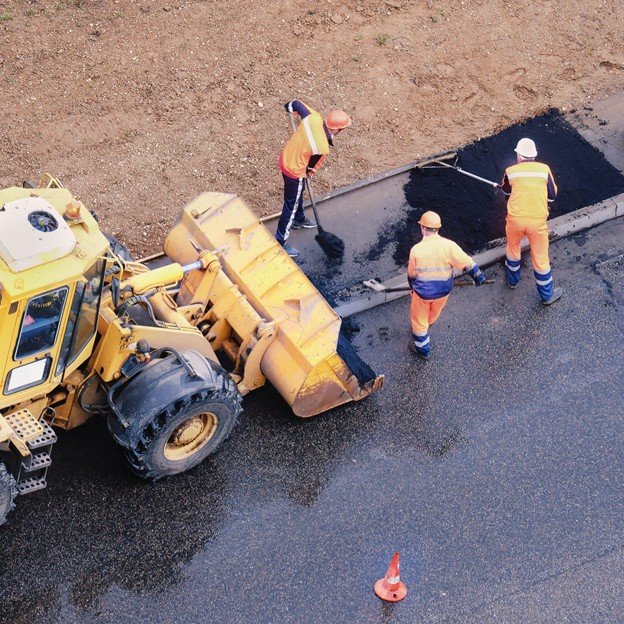
Asphalt Softening. During a Frisco August, pavement temperatures can exceed 150°F. Asphalt becomes “viscous” or soft at these temperatures. When heavy delivery trucks pull into a retail center, their tires can create “ruts” or grooves in the soft asphalt. This leads to common foundation issues in North Texas soil because water eventually pools in those ruts and seeps into the subgrade.
Concrete Rigidity. Concrete is a rigid pavement. It does not soften or lose its shape regardless of how hot it gets. This makes it the superior choice for warehouse & retail slab standards in Frisco, where heavy-point loads from trucks and dumpsters are common. The rigid nature of concrete also helps in preventing cracking in large concrete slabs in Frisco by distributing weight over a larger area of the soil.
2. Interaction with Black Gumbo Clay
The soil in Frisco is famous for its “shrink-swell” behavior. This movement affects asphalt and concrete in different ways.
Asphalt Flexibility. Asphalt is considered a “flexible” pavement. While this sounds like an advantage, it means the asphalt will follow every dip and hump of the moving clay. Over time, an asphalt parking lot in Frisco will become wavy and uneven. This is a primary reason why subdivision concrete Frisco is preferred for residential streets.
Concrete Bridging. Concrete acts like a bridge over the soil. Because of the internal reinforcement required by slab foundation requirements in Frisco, TX, the slab can bridge minor gaps in the soil without collapsing. By using #3 or #4 rebar, we ensure the concrete paving in Frisco stays flat even as the ground moves.
3. Initial Cost vs. Life-Cycle Value
It is no secret that asphalt has a lower “sticker price” at the time of installation. However, the gap narrows when you look at the total cost of ownership.
Asphalt Maintenance. To keep an asphalt lot from falling apart in North Texas, you must seal-coat it every three to five years. You must also plan for a “2-inch overlay” every 10 to 12 years. These recurring costs can disrupt your tenants and lead to complications in how commercial concrete scheduling impacts projects in Frisco complications.
Concrete Longevity. A professionally installed 6-inch concrete lot can last 30 years or more with almost zero maintenance. Outside of occasional joint sealing, there is no need for resurfacing. This long-term reliability is a hallmark of what builders should expect from a subdivision concrete contractor in Frisco.
4. The “Heat Island” Effect and Lighting
For retail and office developments, the color of your parking lot affects the comfort and safety of your customers.
Reflectivity. Concrete is light gray, which reflects sunlight. This keeps the surrounding area cooler, a benefit known as reducing the “heat island” effect. It also means you need fewer light poles to keep the parking lot safe at night. Because the light reflects off the concrete foundations and paving, your monthly electric bill for site lighting will be lower.
Absorption. Asphalt is black and absorbs nearly all sunlight. This makes the parking lot feel significantly hotter for shoppers walking to their cars. It also requires more powerful (and expensive) lighting to achieve the same level of nighttime visibility required for a commercial concrete contractor in Frisco.
5. Speed of Construction and “Open to Traffic” Times
One area where asphalt has a clear advantage is the speed of the concrete timelines for subdivision builds in Frisco.
Immediate Use. You can drive on asphalt almost as soon as it is rolled and cooled. This is why it is often used for quick repairs or temporary roads.
Concrete Curing. Concrete requires a 7-day wait for passenger cars and a 14 to 28-day wait for heavy trucks. However, a professional crew can mitigate this through planning concrete access roads in Frisco developments. By pouring in sections, we ensure that parts of the site remain accessible while the new concrete placement in Frisco is curing.
6. Environmental Impact and Sustainability
Modern large-scale flatwork Frisco projects are increasingly focused on green building standards.
Recyclability. Both materials are recyclable. Old asphalt is ground up into “RAP” (Recycled Asphalt Pavement), and old concrete is crushed into “recycled base,” which can be used under new driveway installation Frisco projects.
Runoff Quality. Asphalt is a petroleum product. During the first few rains after installation, small amounts of oil can wash off into the Frisco storm drains. Concrete is an inert mineral product that does not leach chemicals into the water. This makes it easier to comply with local environmental subdivision concrete Frisco permits.
7. Curb Appeal and Aesthetics
For high-end retail and mixed-use developments, the look of the pavement is part of the brand.
Design Options. With concrete, you have access to decorative concrete Frisco and stamped concrete patios Frisco. You can create patterns, textures, and colors that asphalt simply cannot match. Even a standard broom-finish concrete lot looks cleaner and more “finished” than an asphalt lot.
Cleanliness. Asphalt tends to “track” into buildings, especially when it is new or very hot. This black oily residue can ruin expensive retail carpets and flooring. Concrete is a “clean” material that helps maintain the interior of the building, which is a key part of flatwork thickness requirements for commercial project planning.
8. The Hybrid Strategy
Many savvy developers in Frisco use a hybrid approach to get the best of both worlds.
Asphalt Stalls and Concrete Lanes. They may use asphalt for the low-traffic parking stalls where cars sit for hours. However, they use concrete for the “drive aisles,” fire lanes, and dumpster pads where heavy vehicles travel. This reduces the initial cost while ensuring the high-stress areas meet the warehouse & retail slab standards in Frisco.
Dumpster Pads. Even in a 100% asphalt lot, the City of Frisco usually requires a concrete pad for the garbage dumpster. If you put a heavy metal dumpster on asphalt, it will sink into the ground within weeks.
Frequently Asked Questions
1. Why does Frisco seem to have more concrete parking lots than other cities? The combination of the high heat and the unstable “Black Gumbo” soil makes concrete the most logical choice for concrete paving in Frisco. Developers here have learned that asphalt repairs can quickly erase any initial savings.
2. Is asphalt better for the North Texas winters? Asphalt can be easier to de-ice because its black color absorbs more sunlight and melts snow faster. However, concrete foundations and paving are designed with air-entrainment to handle the freeze-thaw cycles without damage.
3. Which material is better for ADA compliance? Concrete is much better. Because it is rigid, it maintains the precise slopes required for ADA ramps. Asphalt can sag or shift, which can cause a ramp to become “out of code” and require a total tear-out.
4. Can you put concrete over an old asphalt lot? Yes. This is called a “concrete overlay” or “whitetopping.” It is an excellent way to upgrade an old property without the cost of a full excavation. We discuss this when choosing the right commercial concrete contractor in Frisco.
5. How long does an asphalt lot actually last in Frisco? Without heavy maintenance, an asphalt lot in North Texas will begin to show significant distress within 7 to 10 years. In contrast, a concrete lot will often reach 25 to 30 years before needing major repairs.